Where Lucent's operating philosophy came from
About Lucent explains what the company is today. This is the conviction underneath it: why connected operational systems, governed and run in-house, became the only way Lucent was willing to build.
The pattern that kept repeating
Lucent began with an observation, not a plan. Donovan Fitch spent years inside sales and operations teams, where the day ran on three things: how fast a new lead got a response, whether the CRM matched what was actually happening, and whether anyone could see the pipeline clearly. The drag was never the people. A lead would come in and sit because follow-up depended on whoever happened to be free, and the CRM drifted from reality because updating it was a separate manual step nobody owned. The tools were fine on their own. The layer that should have carried work between them did not exist. Who We Serve makes the full case.
Seen once, it looked like a staffing problem. Seen across team after team, it became a single problem worth solving properly.
The common fixes made the problem worse. Outside help arrived as isolated automations, each one solving a single step and aware of nothing around it. Tools hold information. Infrastructure moves it. The point tools held plenty and moved none of it, so the work between them stayed manual and the seams stayed visible.
Every fix added a tool, and every tool added a seam. The operation accumulated software without ever gaining a system. The harder the team worked the stack, the clearer it got that adding to it was not the answer.
The problem was never the tools. It was the missing layer.
The answer was never another automation. It was the operational layer underneath the tools: connected systems that share context, hold state, and carry work from start to finish without a person stitching the steps together. This is the idea the company is named for.
Connected systems share context, hold state, and execute end to end. Isolated automations never could.
A system that executes is not the same as a system that helps. Once infrastructure can act on its own, control stops being a feature and becomes the architecture. The lesson was plain: anything that runs without a person able to see it and stop it is a liability, not leverage.
So human approval and traceable execution were never added later. They were the starting conditions. Inside Lucent shows the mechanism in practice. The conviction here is simpler than the mechanism, and it came first.
A system that can act must stay under human control. Approval and traceability belong in the architecture, never bolted on once something already runs.
The philosophy produced a rule the company still operates by: build the systems for its own acquisition and operations, depend on them daily, and only then offer them to anyone else.
Operated before sold is not a tagline. It is the only honest proof of everything above. The infrastructure Lucent would put in front of a client is the infrastructure Lucent already trusts to run itself. The artifacts behind that claim live in Inside Lucent.
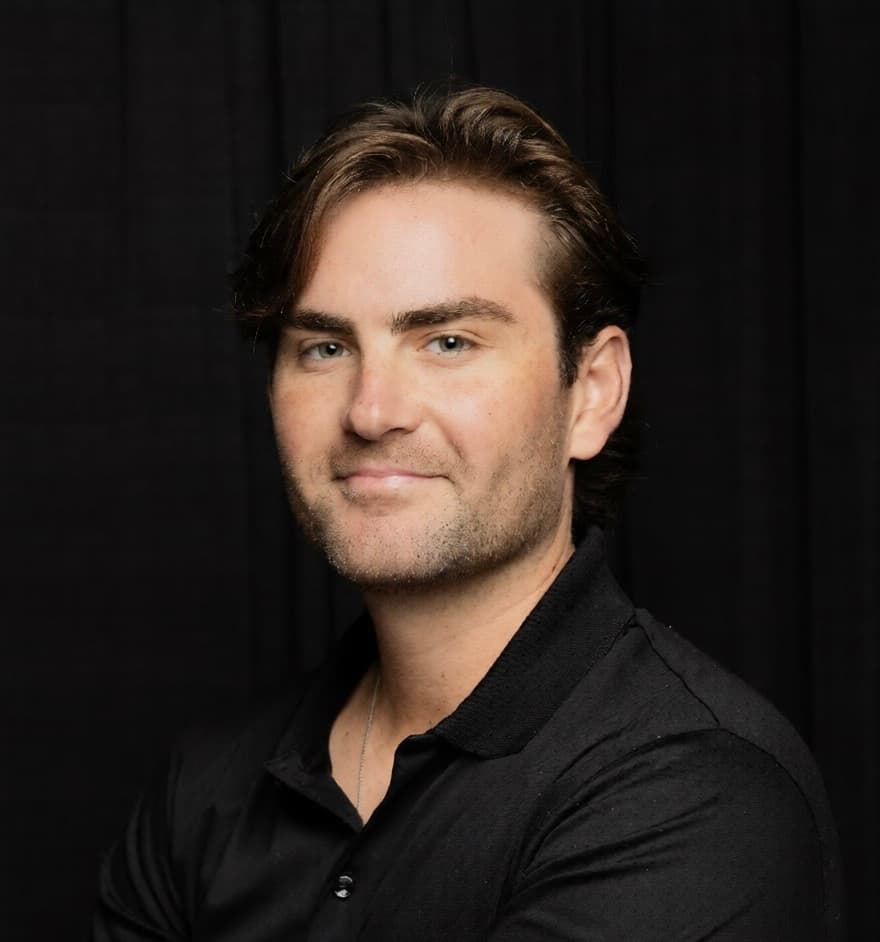
Donovan Fitch
Founder. Builds and operates Lucent on the infrastructure it ships.
“I would rather build the layer a business runs on than sell it one more tool.”
Where this leads
A story about a way of operating should end by inviting the reader into it. The way to start is the same diagnostic Lucent learned to trust on itself: the Operational Systems Audit. Not a discovery call. Not a free assessment. A paid, deliverable-bearing engagement. For what Lucent is today, rather than how it came to think this way, see About Lucent.